Surah al-Mursalat, 20-23
The Mother's Womb with Its Secure Protection
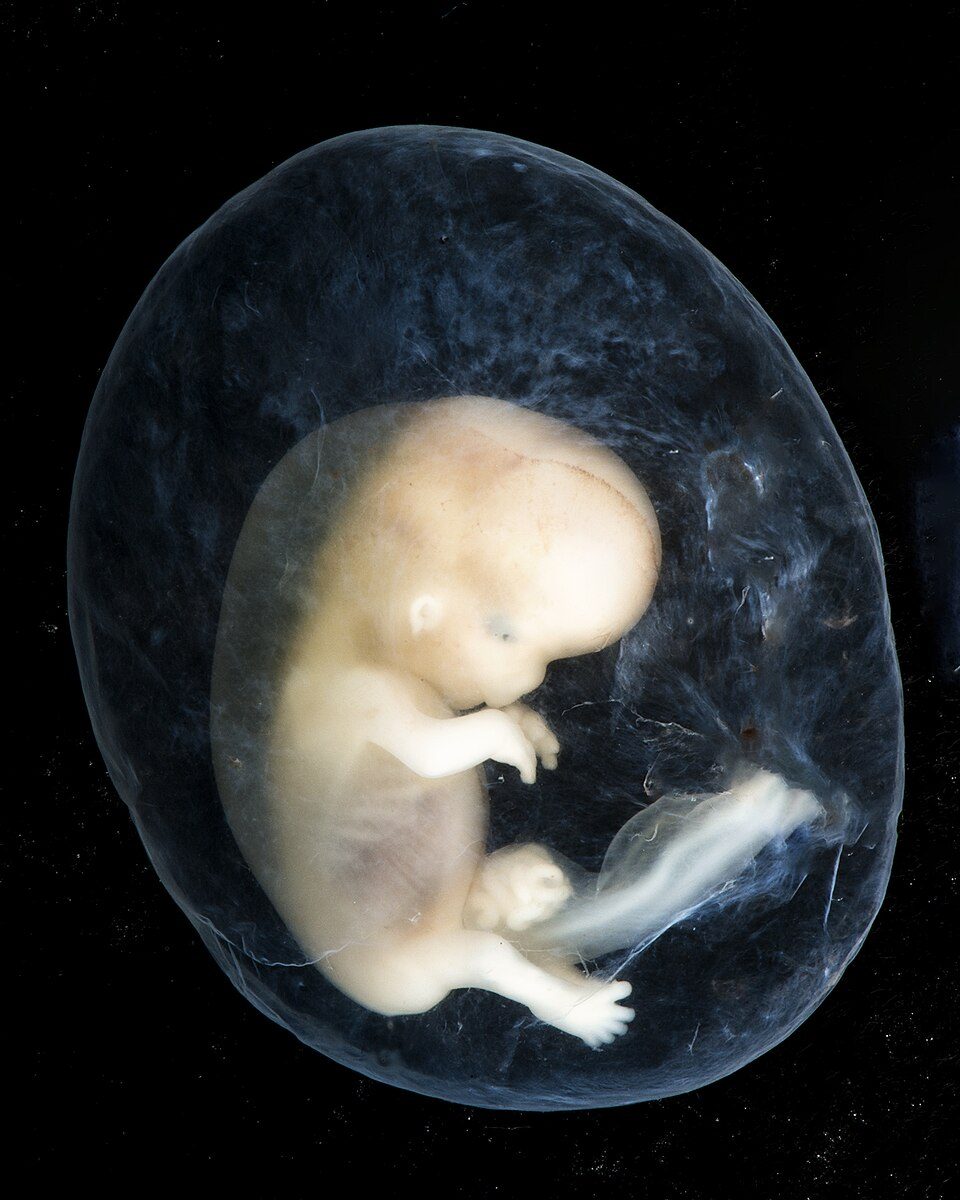
The above verses about the Creation of human beings contain fundamental information from the field of embryology.
أَلَمْ نَخْلُقكُّم مِّن مَّآءٍۢ مَّهِينٍۢ ٢٠ فَجَعَلْنَٰهُ فِى قَرَارٍۢ مَّكِينٍ ٢١ إِلَىٰ قَدَرٍۢ مَّعْلُومٍۢ ٢٢ فَقَدَرْنَا فَنِعْمَ ٱلْقَٰدِرُونَ ٢٣
Did We not create you from a base fluid, then place it in a secure repository for a recognized term? It is We Who determine. What an excellent Determiner!
وَلَقَدْ خَلَقْنَا ٱلْإِنسَٰنَ مِن سُلَٰلَةٍۢ مِّن طِينٍۢ ١٢ ثُمَّ جَعَلْنَٰهُ نُطْفَةًۭ فِى قَرَارٍۢ مَّكِينٍۢ ١٣ ثُمَّ خَلَقْنَا ٱلنُّطْفَةَ عَلَقَةًۭ فَخَلَقْنَا ٱلْعَلَقَةَ مُضْغَةًۭ فَخَلَقْنَا ٱلْمُضْغَةَ عِظَٰمًۭا فَكَسَوْنَا ٱلْعِظَٰمَ لَحْمًۭا ثُمَّ أَنشَأْنَٰهُ خَلْقًا ءَاخَرَ ۚ فَتَبَارَكَ ٱللَّهُ أَحْسَنُ ٱلْخَٰلِقِينَ ١٤
We created man from the purest kind of clay; then made him a drop in a secure receptacle; then formed the drop into a clot and formed the clot into a lump and formed the lump into bones and clothed the bones in flesh; and then brought him into being as another creature. Blessed be Allah, the Best of Creators!
The above verses about the Creation of human beings contain fundamental information from the field of embryology. The reference “a secure receptacle”, a description of the womb, indicates certain technical and biological truths which are of great significance to modern scientists. (Allah knows the truth.) A “zygote” is the term given to what is produced by the sperm and egg cells coming together. This process continues until we witness the emergence of a complete human being, made up of trillions of cells all working in harmony: this all takes place in the safety of the mother's womb. This remarkable place, where the embryo completes its nine months of development is, as the verse tells us, “a secure receptacle..”
The word “makeenin" translated as “secure” above, also suggests such meanings as “unshakeable, sound, resolute, powerful, fixed and safely put in place.” The word “qararin" also means “location, stability, permanence and place of settlement.” These words very wisely describe the womb as a sound and safe location.
The mother's womb provides insulation against external agents such as light and sound. It also provides a strong shield against shock and pressure, thus protecting the baby from any discomfort or inconvenience. Located in the pelvic cavity, the womb is well protected by the thick and strong bones that surround the “endometrium” on the inside – and this helps to bear the weight of the embryo until the end of pregnancy. This structure, made up of powerful muscles, is ideally constructed for the baby's growth and development. During pregnancy, the ligaments attaching the bones in the region together become thicker and longer. These ligaments that attach the top of the womb to the strong pelvic bones make the womb very strong and stable.
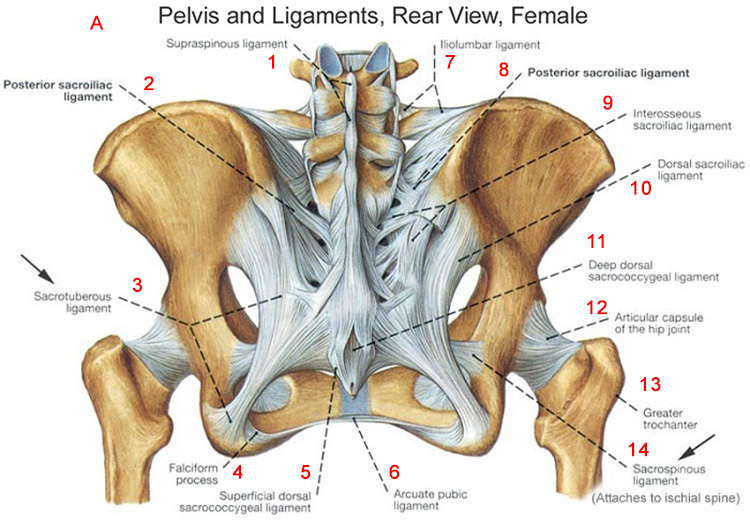
Yet, despite blocking out so much, the embryo still has unrestricted access to what it needs to develop: heat, water, oxygen and nutrients all contribute to its miraculous development. The mother's womb undergoes many changes that enhance its strength during pregnancy. Together with the muscles, ligaments and elastic tissues it contains, there is also an increase in the number of blood vessels and nerves. The womb is thus able to increase 20 times in weight and 1,000 times in capacity without coming to any harm.1 The fallopian tubes that support the womb, the ovaries and other connective tissues all expand and become more elastic.2 The constant changes in the womb continue even after the embryo has grown into a healthy baby many hundreds of times larger than its initial state. The womb now changes in such a way as to permit the baby to exit in a healthy manner.

During pregnancy, another extraordinary state of affairs regarding the protection of the baby comes about. The baby is also protected against internal threats. When a foreign body enters the body, such as during an organ or bone marrow transplant, the host's defense system begins reacting, and this can sometimes lead to fatal consequences.3 But that never happens to the fetus, and the mother's immune system does not regard it as a foreign body. It is quite amazing that the mother's immune system tolerates foreign genes from the father; because the baby is, after all, 50% foreign body. Marianne van den Heuvel, a scientist from Guelph University, describes this as “fascinating” and continues: “That was always a puzzle from an immunology standpoint because the fetus is actually foreign. It's part of the mother and also part of the father. It should be rejected by the body.”4
One would expect the defense system to declare war on the fetus's cells in much the same way that an army should declare war on foreign occupiers of their country. This defense system, when working properly, swiftly identifies viruses and tumors as foreign bodies – and then kills them. But, by the will of Allah, no such thing happens, and the womb remains a very safe and secure place for the baby to develop.
All the information about embryology provided in the Qur'an is in full agreement with modern medicine. This information, which has emerged through advanced technology, is one of the clearest proofs that the Qur'an is the revelation of our Lord, the Creator of all. The following is also revealed:
وَفِى خَلْقِكُمْ وَمَا يَبُثُّ مِن دَآبَّةٍ ءَايَٰتٌۭ لِّقَوْمٍۢ يُوقِنُونَ ٤
And in your Creation and all the creatures He has spread about there are Signs for people with certainty.
Footnotes
- http://www.uoguelph.ca/mediarel/archives/002054.html; Marianne van de Heuvel, "Biomedical Scientist Explores Role of Immune System in Pregnancy", Communications and Public Affairs, 20 Kasım 2002. ↩
- E. Griffiths, Iron and Infection, John Wiley & Sons, New York,1987, ss. 1-25; http://www.lewrockwell.com/orig/sardi10.html ↩
- Jane E. Brody, The New York Times, "Personal Health", 5 Mart 1997. ↩
- Kathleen Fackelmann, Science News, "Rusty origins: researchers identify the gene for iron-overload disease - hereditary hemochromatosis", 18 Ocak 1997. ↩