The Earth
Roots of mountains, seas that do not mix, rain, winds and the structure of the Earth.
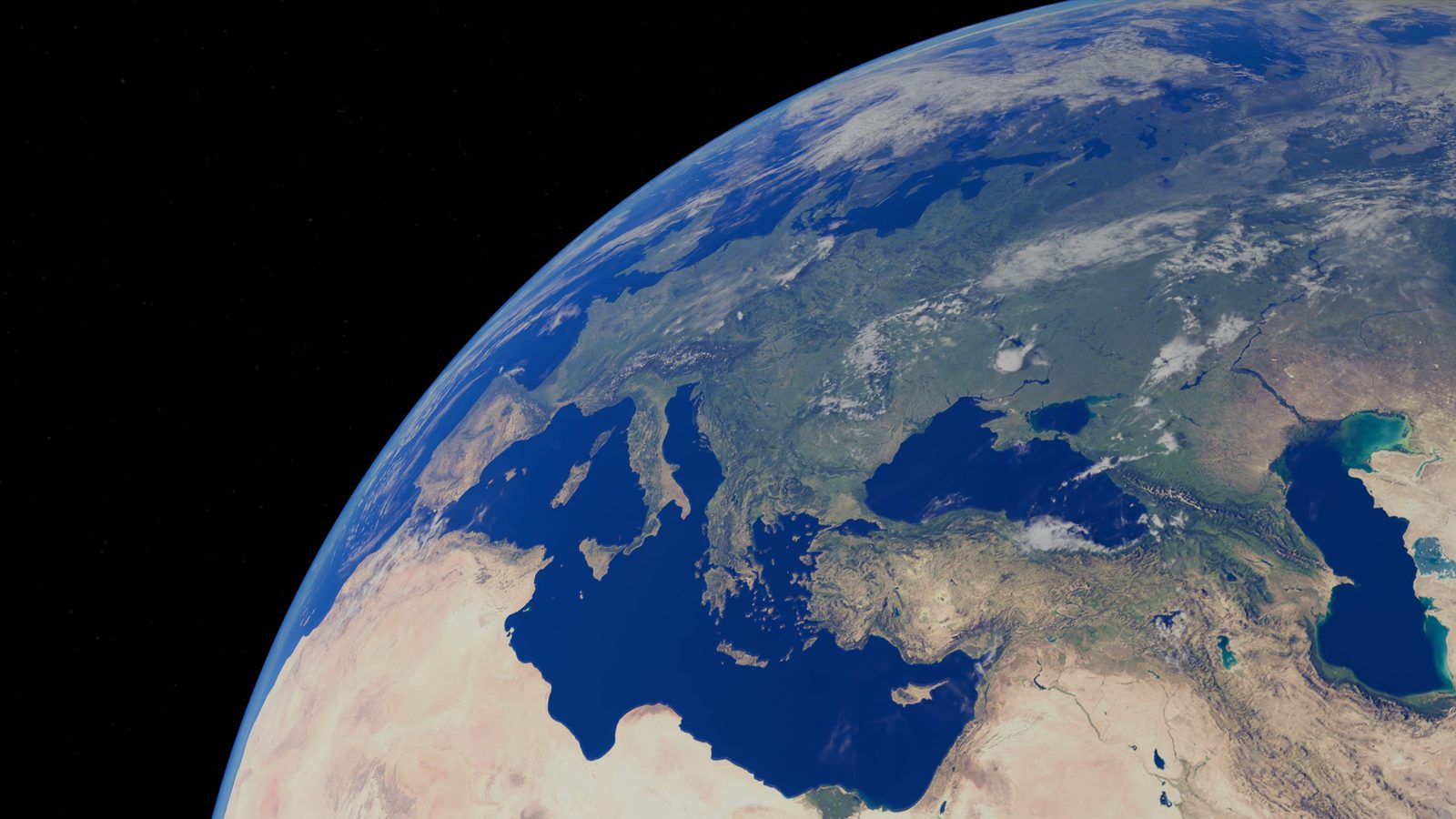
The Roundness of the Earth
In the Qur'an, the words used for describing the universe are quite remarkable. The Arabic word that is translated as "to wrap" in the above verse is "takwir".
Surah az-Zumar, 5The Earth's Direction of Rotation
The above verse emphasises that the Earth not only rotates but that it also has a direction of rotation.
Surah an-Naml, 88The Earth's Geoid Shape
In the above verse, the word " dahaa " is used in the original Arabic. It, translated as "smoothed out," comes from the word " dahaw ," meaning "to spread." Although the word " dahaw " also means to cover or to set out, the…
Surah an-Nazi‘at, 30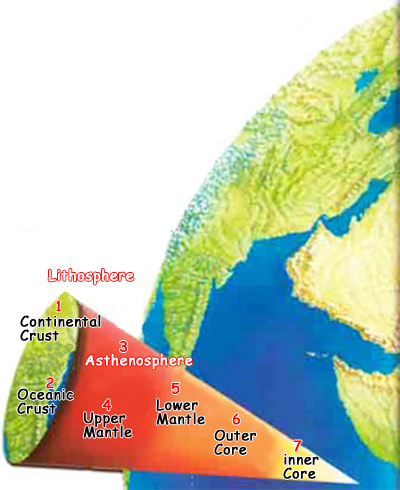
The Layers of the Earth
One item of information about the Earth given in the Qur'an is its similarity to the seven-layered sky:
Surah at-Talaq, 12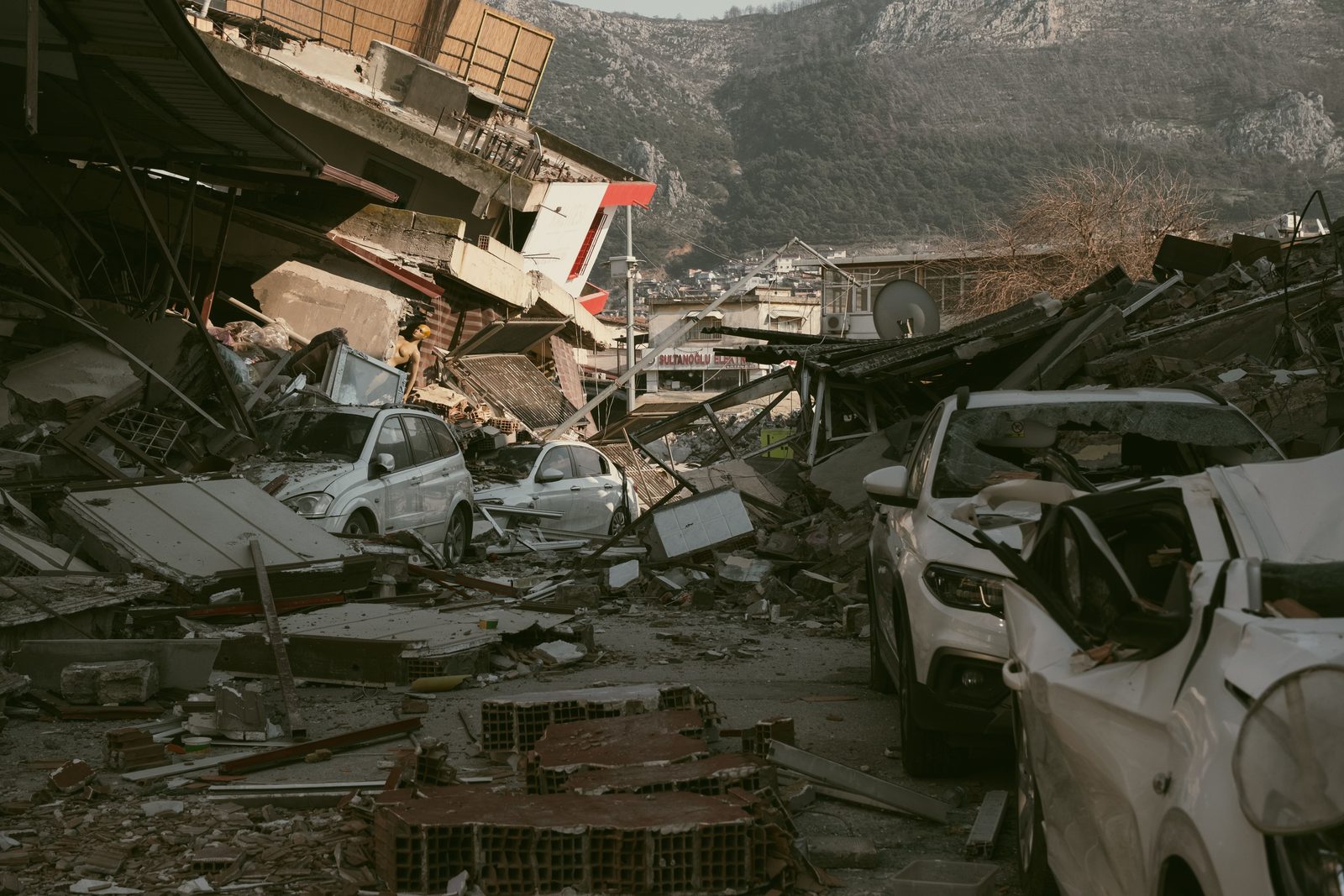
The Earth Disgorges Its Charges
The word " zilzaal " in Arabic means earthquake, or tremors, and the word " athqaalahaa " means "charges, heavy burdens." When one considers the above verses in the light of the first meaning, it can be seen that reference is…
Surah az-Zalzalah, 1-4 1855
Mountains — the pegs of the earth
The Quran says that mountains were made as “pegs” and that they keep the earth from shaking. Modern geology has discovered that mountains have roots reaching deep into the earth.
Surah an-Naba, 6-7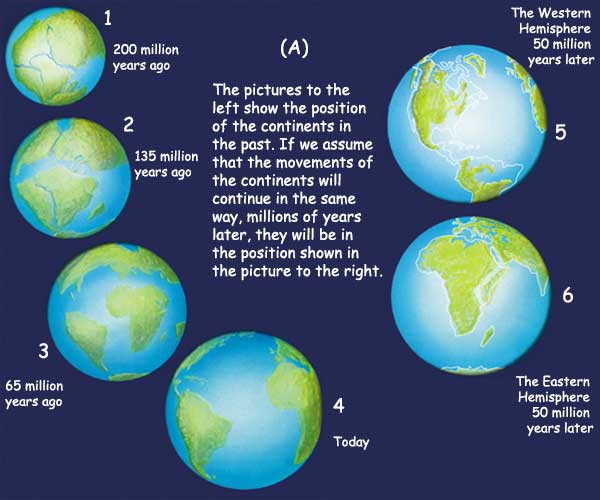
The Movement of Mountains
In one verse, we are informed that mountains are not motionless as they seem, but are in constant motion.
Surah an-Naml, 88
Different Points in the Rising and Setting of the Sun
As can be discerned, the words east and west are used in the plural sense in the above verses. For instance, the word " mashaariq ," used in the first verse for "east," and the word " maghaarib " used for "west," are in plural…
Surah al-Ma‘arij, 40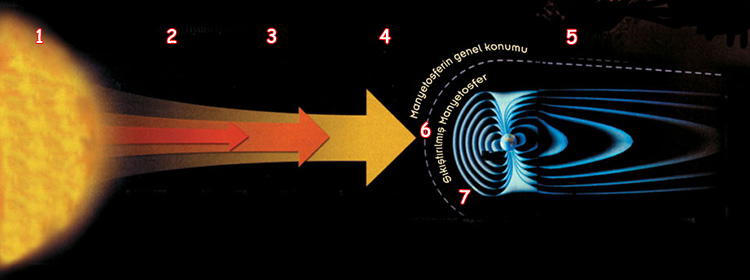
Land Loss at the Extremities
The Earth is bombarded by proton, electron and alpha particles from the Sun. These solar winds are powerful enough to separate the atmosphere from the Earth.
Surah ar-Ra‘d, 41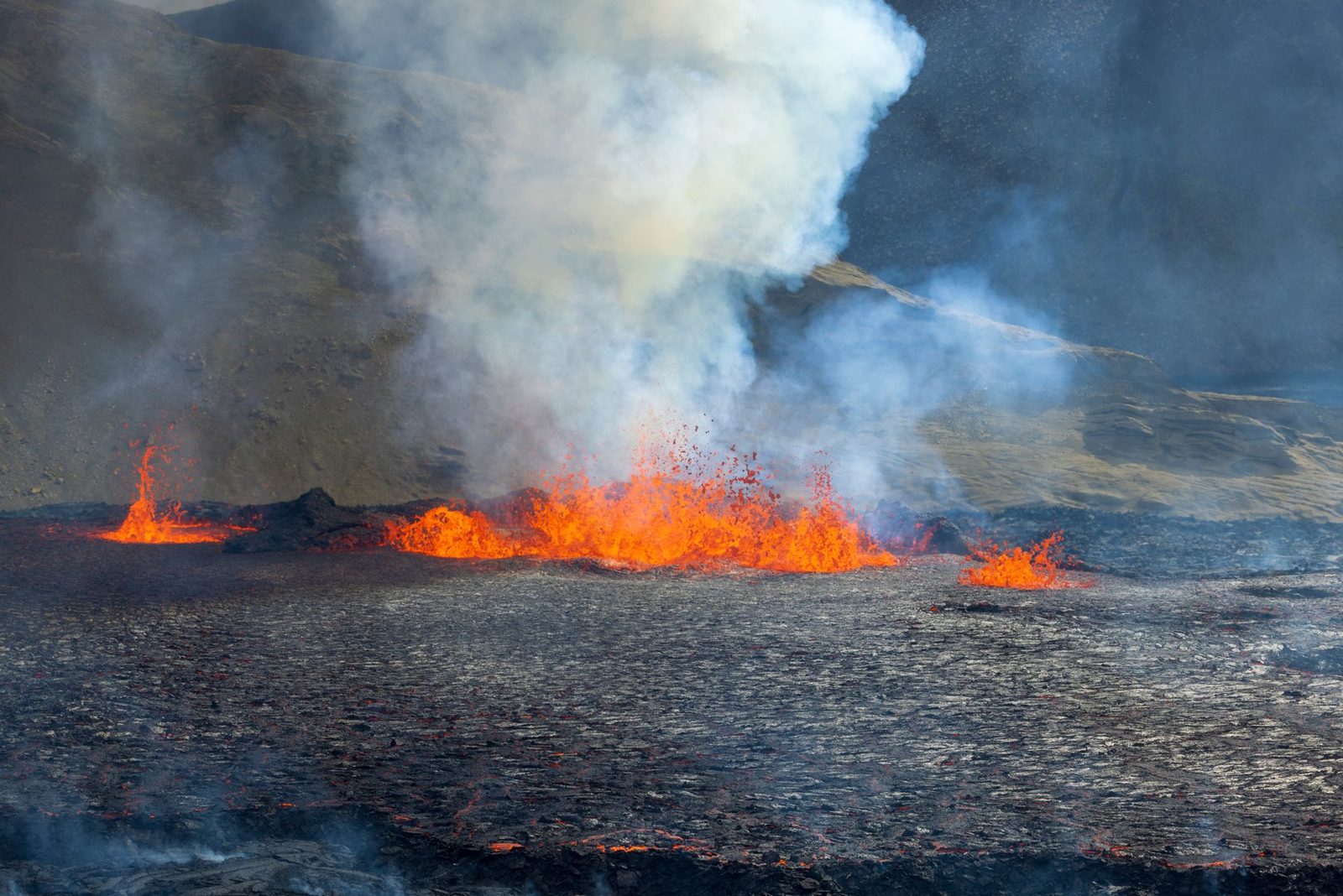
The Splitting Earth
The Arabic word " sad` " in the above verse means "cracking, splitting apart." Allah's swearing by the splitting of the Earth points to an important phenomenon, as do the other scientific miracles in the Qur'an.
Surah at-Tariq, 11-12
The Formation of Petrol
As we know, petrol forms from the remains of plants and animals in the sea. Once these have decayed on the sea bed after millions of years, all that is left are oily substances.
Surah al-A‘la, 1-5
The Weight of Clouds
The weight of clouds can reach quite astonishing proportions. For example, a cumulonimbus cloud, commonly known as the thunder cloud, can contain up to 300,000 tons of water.
Surah al-A‘raf, 57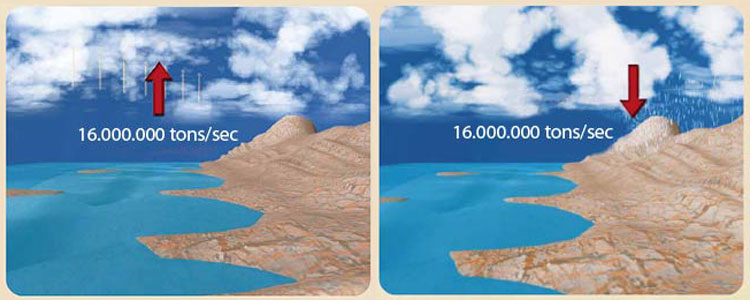
The Proportion of Rain
One of the items of information given in the Qur'an about rain is that it is sent down to Earth in due measure. This is mentioned in Sura Zukhruf as follows;
Surah az-Zukhruf, 11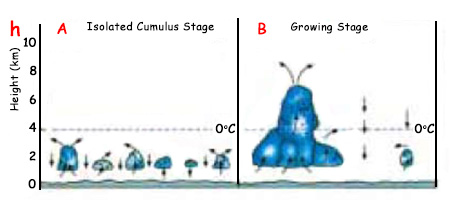
The Formation of Rain
How rain forms remained a great mystery for a long time. Only after weather radar was invented was it possible to discover the stages by which rain is formed.
Surah ar-Rum, 48The Quivering and Swelling of the Earth
The Arabic word for "quivers" is " ihtazzat ," meaning "to set in motion, come alive, quiver, move, stir; the movement and stretching of a plant." The word " rabat ," translated as "swells," bears the meanings "to increase, grow…
Surah al-Hajj, 5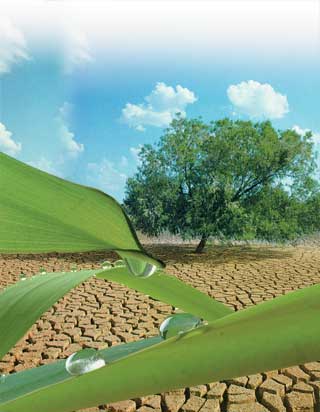
Rains which Bring a Dead Land Back to Life
The rain's function of "bringing a dead land back to life" is indicated in several verses of the Qur'an:
Surah al-Furqan, 48-49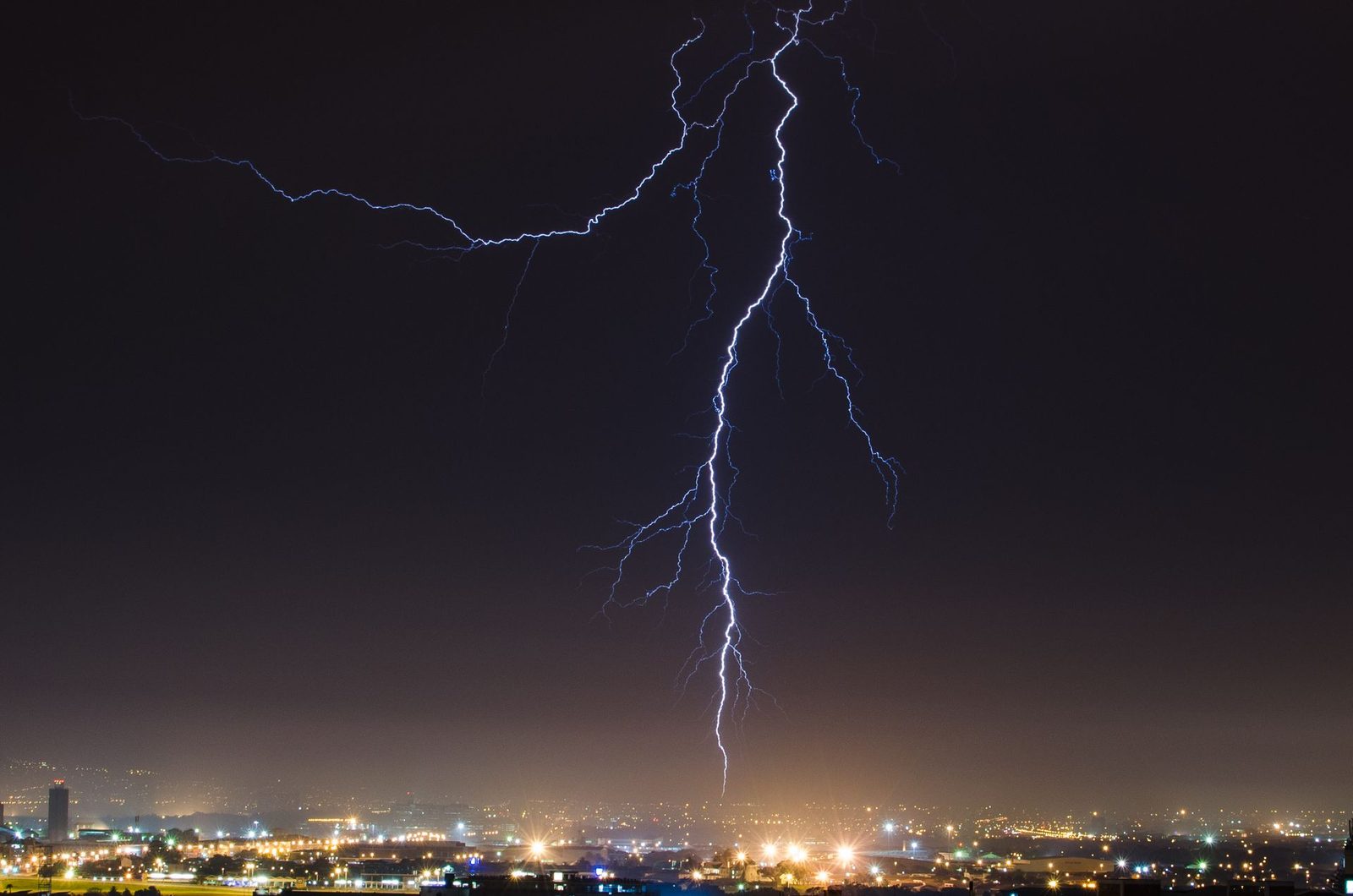
The Formation of Hail, Thunder and Lightning
The above verse refers to hail and lightning. When the formation of hail and lightning are examined, it can be seen that an important meteorological truth is being indicated in this verse.
Surah an-Nur, 43 1946
The fertilising winds
Surat al-Hijr says that the winds were sent as “fertilisers” and that water was then sent down from the sky. Modern meteorology has shown that winds play exactly this role in the formation of rain.
Surah al-Hijr, 22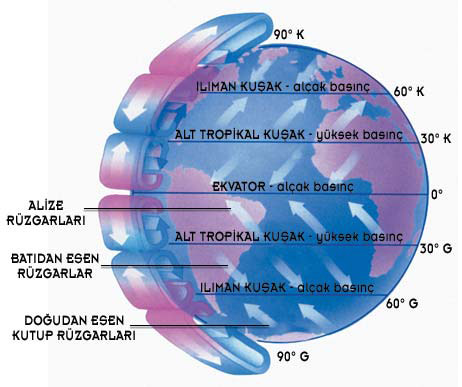
The Stages of Wind Formation
Wind is a movement of air which forms between two different temperature centres. Due to the different pressures caused by different temperatures in the atmosphere, air constantly flows from areas of high pressure to areas of low…
Surah al-Jathiyah, 5 1962
Seas that do not mix
Surat ar-Rahman speaks of two seas that meet yet do not mix because of a barrier between them. Oceanographers discovered this fact only in the recent past.
Surah ar-Rahman, 19-20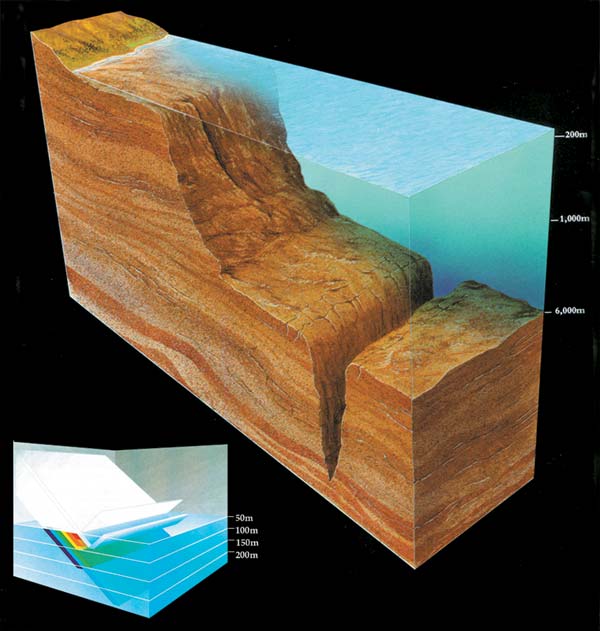 1900
Darkness and internal waves in the deep sea
Surat an-Nur describes “darknesses, one above another” in a vast deep sea, with wave upon wave. Today we know there is almost no light below 200 metres, and that invisible internal waves move within the ocean.
Surah an-Nur, 40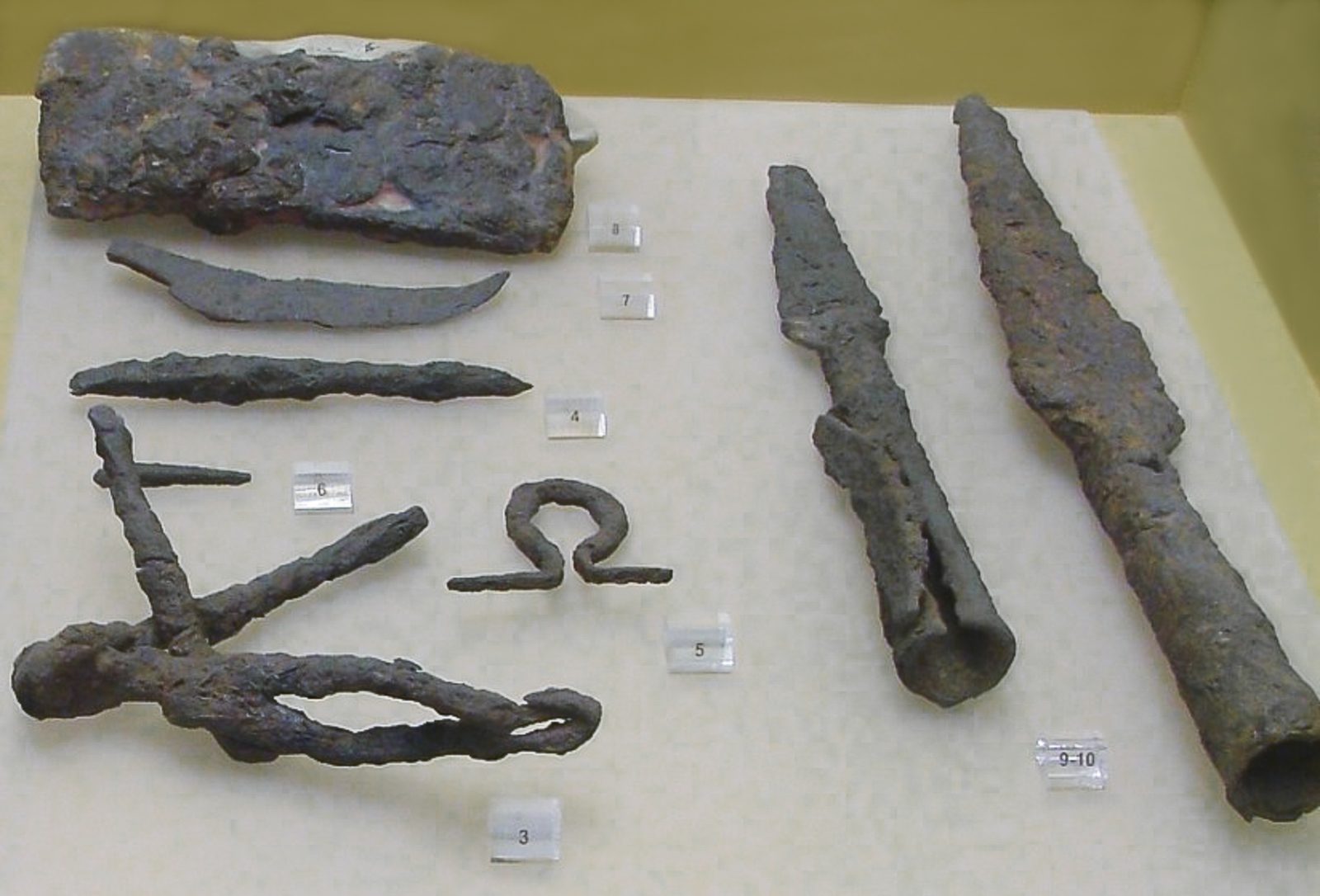
Fossilization and Iron Content
These verses refer to the petrification of dead bodies and how these corpses, over time, turned into iron.
Surah al-Isra, 49-51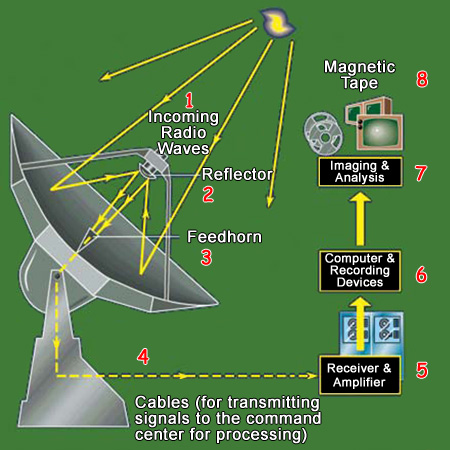
Radio Receivers on Mountains
There is a strong possibility that the description of mountains "echoing" in the above verse may refer to the workings of a modern radio.
Surah Saba, 10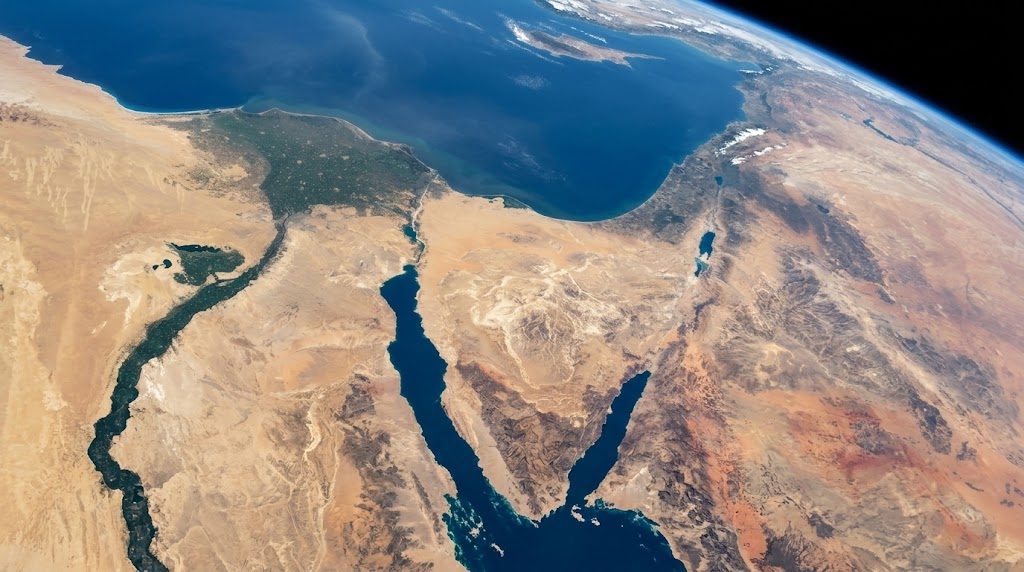
The Expanding Earth
The Arabic term“madda al-arda” translated “as stretched out” in the above verse, means “to be covered, spread out, stretched, pulled out, expanded or opened.” The use of this word in the context of the earth in referring to the…
Surah ar-Ra‘d, 3
The Ozone Layer at the Poles as The Sun Rises
The Arabic word "sitran" in this verse means "cover, protection, veil" while "lam naj’aal lahum min dooniha sitran"describes an environment devoid of any shelter or protection against the Sun.
Surah al-Kahf, 90